Conservation Burial
Conservation Burial That Protects More Than a Burial Site
We recognize conservation burial as an approach that connects natural burial with the long-term protection of land. Rather than viewing a cemetery only as a place for interment, we support a model in which burial takes place within a broader conservation framework. As the Green Burial Council, we establish standards, provide education, and certify qualifying burial grounds so families and professionals can better understand what responsible conservation burial involves. Our work helps distinguish established conservation practices from general environmental claims.

Conservation Burial Has Specific Standards
We define conservation burial as a type of natural cemetery established in partnership with a conservation organization and guided by a conservation management plan. That distinction matters. A cemetery does not become a conservation burial ground simply because it uses biodegradable materials or avoids conventional burial practices. Under our standards, the property must also have protections designed to preserve the land in perpetuity through a conservation easement, deed restriction, or another legally binding and irrevocable agreement that runs with the land.
Evaluating the Land Before Burial
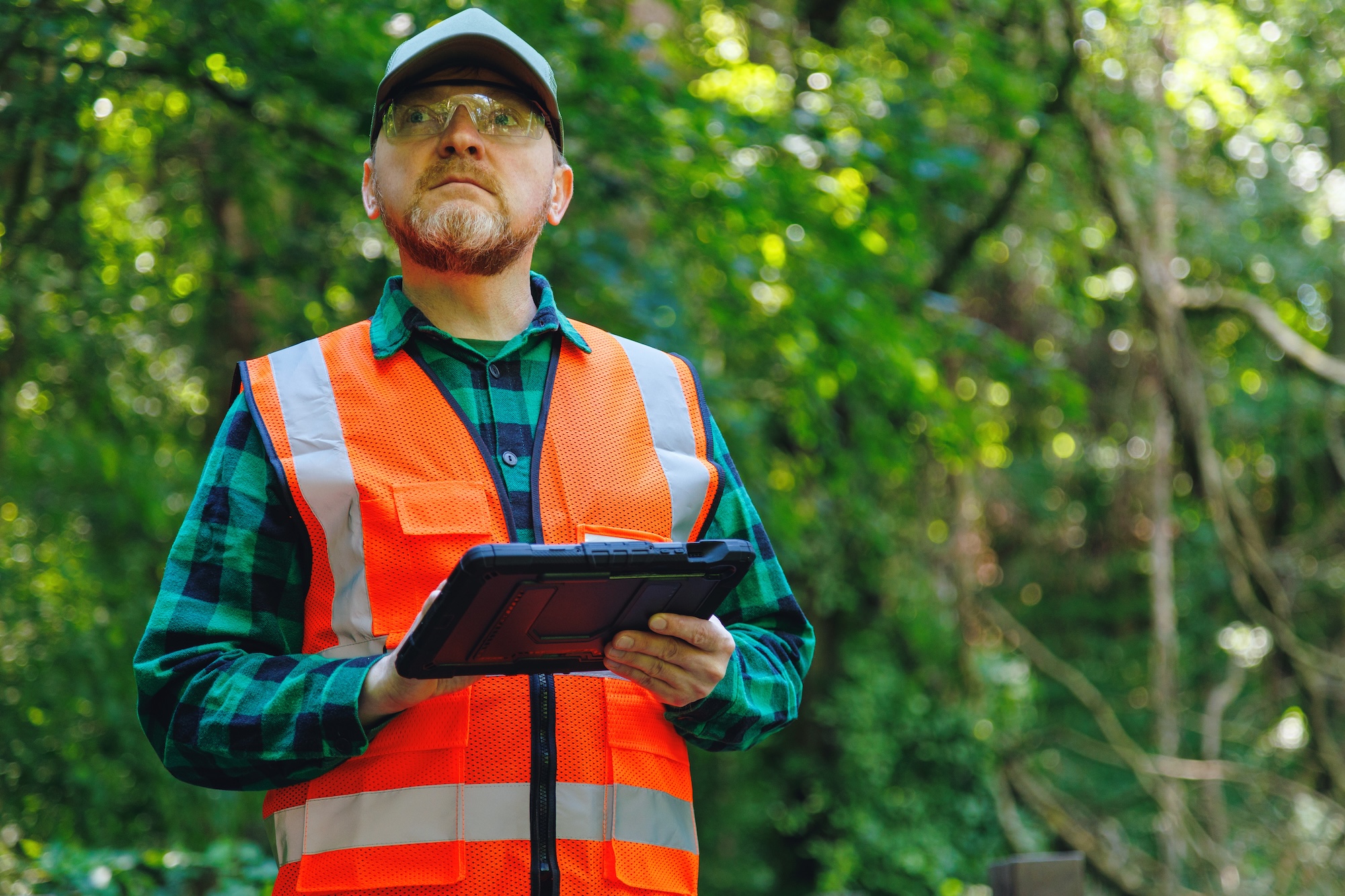
We place ecological conditions at the center of conservation burial planning. Our standards require conservation burial grounds to conduct an Ecological Impact Assessment that begins with a baseline assessment of existing ecological conditions and sensitive areas. The assessment also addresses plant inventories and is updated periodically to evaluate future habitat conditions. Burial operations and access must be restricted in sensitive areas identified through this process. This gives cemetery planning a direct connection to the actual characteristics of the property rather than applying identical practices across every part of the land.
Managing Burial With Habitat in Mind
We also establish limits that recognize the relationship between burial activity and ecological protection. For conservation burial grounds, our standards set an average burial density of no more than 200 burials per acre, with the ability to transfer density away from sensitive areas under specified conditions. We require operational and burial practices that avoid long-term degradation of soil health, plant diversity, water quality, and ecological habitat. We also require strategies that conserve, preserve, enhance, or restore the region's historic native or natural habitat and flora.

Establishing a Permanent Conservation Partnership
We believe lasting land protection requires more than an intention to preserve property. Our conservation burial standards require the burial ground to operate with a government agency or nonprofit conservation organization that has legally binding responsibility for perpetual monitoring and enforcement of the conservation easement. The standards also require conservation burial grounds to conserve or restore at least 20 acres, or at least 5 acres when the property is contiguous with other protected land. These requirements connect burial operations with measurable conservation responsibilities and long-term oversight.